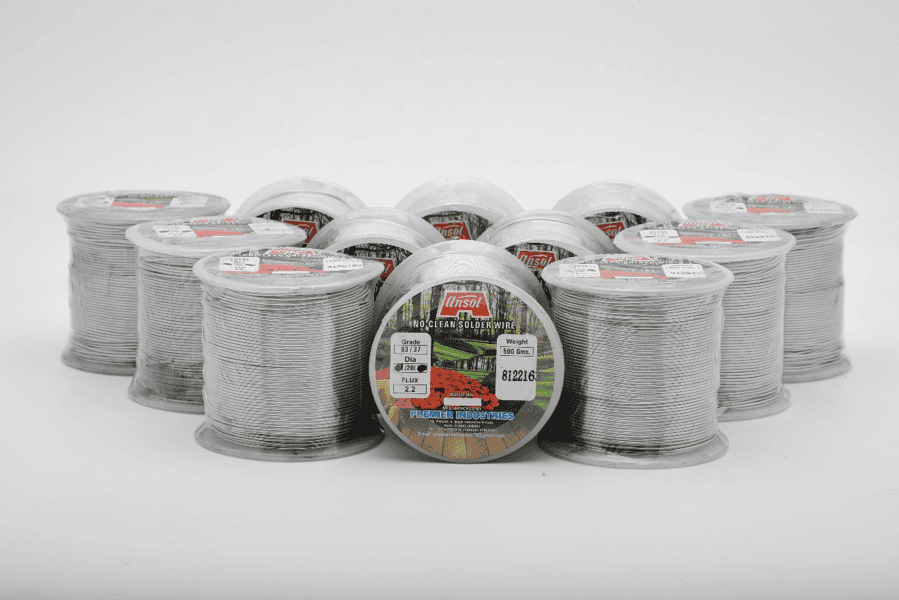
Solder Wire | Uses, Types & Applications in Electronics
Introduction to Solder Wire
Solder wire is an essential material used in electronics and electrical applications to create strong and conductive joints. It melts at a low temperature and forms a reliable bond between metal components.
Importance of Solder Wire in Electronics
Strong Electrical Connections
Solder wire ensures secure and stable electrical connections, reducing the risk of loose joints and signal loss.
Efficient Heat Transfer
Proper soldering allows efficient heat dissipation, protecting electronic components from damage.
Long-Term Reliability
High-quality solder wire improves the lifespan and performance of electronic assemblies.
Types of Solder Wire
Lead-Based Solder Wire
Lead-based solder wire offers excellent flow and low melting point, making it suitable for traditional electronics and repair work.
Lead-Free Solder Wire
Lead-free solder wire is environmentally friendly and commonly used in modern electronics to comply with safety regulations.
Flux-Cored Solder Wire
Flux-cored solder wire contains flux inside, helping remove oxidation and improve solder joint quality.
Applications of Solder Wire
Electronics and PCB Assembly
Solder wire is widely used in printed circuit board assembly for connecting electronic components.
Electrical Wiring and Repairs
It is commonly used for repairing wires, connectors, and terminals in electrical systems.
Industrial and Manufacturing Use
Industries use solder wire in manufacturing electronic devices, appliances, and control systems.
Benefits of Using Quality Solder Wire
Improved Joint Strength
High-quality solder wire creates durable joints that resist vibration and thermal stress.
Clean and Smooth Finish
Good solder wire provides a clean finish, reducing the need for rework and repairs.
Consistent Performance
Reliable solder wire ensures consistent electrical conductivity across all connections.
How to Choose the Right Solder Wire
Wire Diameter
Choosing the correct wire thickness helps control solder flow and prevents excess material.
Flux Type
Selecting the appropriate flux type improves soldering efficiency and joint quality.
Application Requirements
The choice of solder wire depends on whether it is used for electronics, electrical work, or industrial applications.
Safety and Handling Tips
Proper Ventilation
Soldering should be done in a well-ventilated area to avoid inhaling fumes.
Protective Equipment
Using safety gloves and eye protection helps prevent injuries during soldering.
Conclusion
Solder wire is a critical component in electronics and electrical work, ensuring strong and reliable connections. Selecting the right type of solder wire improves performance, safety, and long-term reliability of electronic assemblies.